Showing posts with label braise. Show all posts

Friday, November 12, 2010

The Pull of Pork

There is no denying that pork is an incredible and delicious variety of meat. Not only is it delicious, but it is relatively inexpensive and you can create so many tasty meals with it. It isn't very difficult or laborious to cook up some drool-worthy, melt in your mouth meat with a cheap chunk of pork. Using a tough cut like the shoulder, also called pork butt (don't worry, there are no asses involved), or a picnic roast, you can achieve some soft, succulent meat that falls apart from the mere poke of a fork. Some might protest the method of cooking I used, claiming that the only way to make pulled pork is by smoking it, but lets get real here. It's the middle of fall, and its fucking cold in the country. Fact. So, instead of having to go outside to change the wood chips in the smoker I don't have in my city apartment, I achieved delicious meaty goodness in the comfort of my overly warm home. By simply braising the pork shoulder in beer for a few hours, I created a tender piece of tasty that pretty much fell apart from looking at it real hard. That tender.


You will need:

- 3-4 pound pork shoulder/butt/picnic roast (will make about 6-8 servings)
- Paprika
- Chili powder
- Fresh ground black pepper
- Sea Salt or kosher (haha kosher salt and pork...)
- Dry mustard powder
- Garlic powder
- Onion powder
- A few bottles of Red or Dark Ale
- Vegetable oil
- Cider vinegar
- Worcestershire sauce
- Hot sauce 
- Bread-like vessel or tortilla wraps

First, rinse that pork shoulder and pat it dry with some paper towels. Then in a bowl combine all your dry spices with a fork. Then rub that flavour all over that pork. Rub it real good.


In a rather large pot or pan over medium-high heat, pour in a respectable glug or two of vegetable oil. If you have a dutch oven (heavy pot with tight fitting lid), you can use this for the whole cooking process. Once the oil is heated, get your pork in their and give it a good browning all over. This step is key in achieving optimal deliciousness.


Once that pork is all browned up, place it in an appropriately sized, deep oven safe dish or pan. If you have the luxury of a dutch oven, then just keep it in there. Pour a beer or two in the pan, then tightly seal the top with aluminum foil, or throw the lid on the pot. Now stick that sucker in an oven pre-heated somewhere around 250-300 degrees for 4-6 hours. Check on it at the 4 hour mark, and if its tender and can be pulled apart with a fork, its done. If not, leave it in longer, you really can't over cook this.


Once that pork is tender and falling apart, remove it from the oven and set it aside. Pour the liquid in a sauce pan if you need to, and get that shit rocking over a medium heat. You want to reduce the liquids by simmering away the water in it. This will make for a more bad ass flavour. When that sauce is simmering away, add a few splashes of cider vinegar, Worcestershire sauce and hot sauce. You can even add a bit of pre-made BBQ sauce if you feel the need. While the sauce continues to simmer, get to forks and start shredding that pork by inserting the utensils and pulling them away from each other. Shred it to your desired shreddedness, then toss all the meat into that sauce you've been reducing. Keep it cooking for a few more minutes, or until you just can't wait any longer.

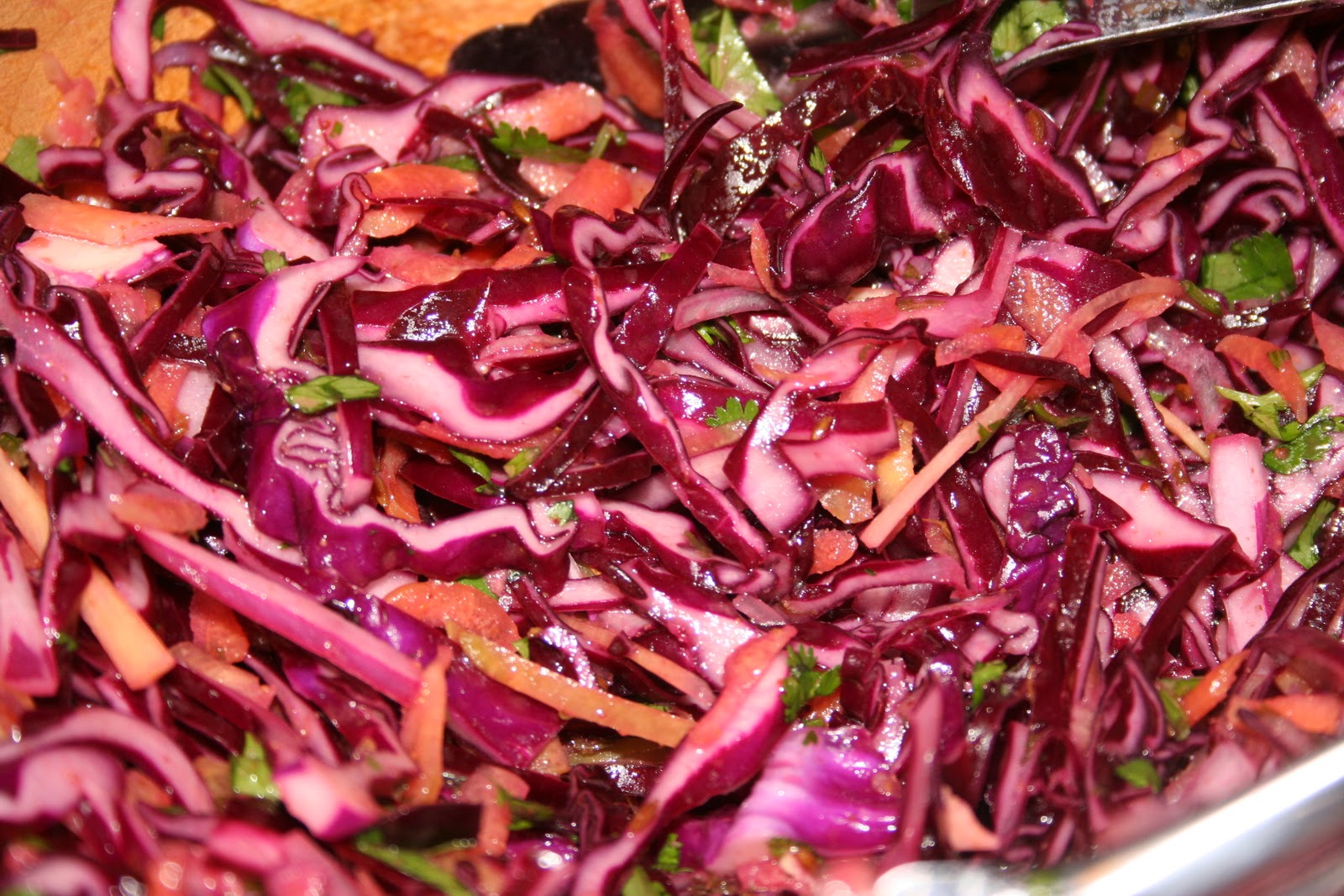


Serve that pork up on some nice buns, or in a wrap with some coleslaw on top, some pickles and some sort of potatoey goodness. Now you might ask yourself, gosh darn, why does this taste so delicious? Well, slow cooking does that by melting the fat and turning it into FLAVOUR! Also, pulling the pork apart exposes more surface area that will come in contact with your tongue, much like how shredded cheese is tastier than biting a chunk of the block. 


Note: In the coleslaw I added some fresh cilantro to mix things up a little bit, and it worked really well. If you like cilantro, definitely give it a try.

Tuesday, October 5, 2010

Short and Slow: It's Not The Size That Matters, As Long As You Take The Time

Last night the temperature dropped below zero and the smell of wood smoke from chimneys filled the air which means only one thing. Summer is officially gone. After a year of an endless summer, my tan has faded and I'm having to accept the fact that fall has arrived. As much as I try to remain in denial of this conclusion, I have begun to look forward to the many things I missed out on over the last year. With the absence of autumn and winter, I didn't get to enjoy the foods that come along with the seasons. I had been void of good cooking and quality food all together, so I've been heavily indulging in the freshness and abundance that the Byward Market has been offering lately. I found amongst the local vendors some colourful heirloom carrots, tiny brussel sprouts, fragrant leeks, and new potatoes that would be perfect for a seasonally inspired meal. The butcher in the market had some incredibly marbled beef short ribs that I couldn't say no to, so I picked up two gorgeous slabs that would be the center of the meal.

Nothing about the meal that resulted was difficult. In fact, it is unbelievably simple, yet yields such an impressive and delicious result. Short ribs are a well marbled and particularly tough cut of beef (not very expensive either), so it definitely wants to be slowly cooked so the fat melts away and the meat becomes tender and rich. The beer braised short ribs and the roasted vegetables took minimal effort, while the accompanying mashed brown butter mashed potatoes are unlike any potato I've ever eaten, but also extremely unpretentious. I found the recipe for the potatoes in Michael Smith's cook book, Chef at Home, and I am glad I did.


I broke this into a few different parts for organization, but you will need:


Meat:
- Nicely marbled beef short ribs, enough to feed however many people you wanna feed... (usually a butcher will trim them into 4 rib sections, which will feed two ladies or one hungry man)
- Case of dark ale, or stout
- Sea Salt and Pepper
- Couple tablespoons of butter/olive oil
- Couple tablespoons of flour
Veggie:
- Bunch of heirloom carrots, sliced in half lengthwise
- Handful or two of leeks, sliced
- Handful or two of brussel sprouts
- Bunch of fresh herbs like thyme or rosemary
- A couple cloves of garlic, smashed with the side of a knife, skins removed
Potatoes:
- A pound of potatoes
- Stick of butter
- 1/2 cup milk
- Nutmeg (ground or whole seeds)
- Sea Salt and Black Pepper

To get the beef prepared poke little holes in both sides with the tip of your knife. Pour the ale or stout over the short ribs, massaging it into the meat. Grind or sprinkle salt generously over the meat, and keep massaging the beer into the meat so it gets a good coating of beer. Crack some pepper all over the short ribs then place all the short ribs in dish or wrap them in foil, give them a very generous splash of beer, and tightly wrap the top of the dish with foil/ wrap the top of the meat up and place on a baking sheet. 


Let the ribs mellow for a bit in their beer bath, while you preheat the oven to 375 degrees, and get your veggies ready to party. Take all your leeks, carrots and sprouts, and pile them on a large section of foil. Throw the garlic and herbs on top, give it a good drizzle of olive oil, wrap the foil into a packet so the top and ends are folded over a couple times. When the oven is preheated, place both the meat and the veggie packet in the preheated oven for 20 minutes, then decrease the temperature to 275 and let them do their thang for 3 hours. After the 3 hours are done, remove the foil from the meat, reserve the juices, and open up the veggie foil packet, return to the oven, and crank the heat to 400 degrees. Let the meat and veggies roast under high heat for 20 more minutes.


When the meat and veggies have about 10 minutes left of its 3 hours, boil the potatoes in salted water until fork tender. Drain the water and set the potatoes aside. Then over medium/medium-low heat, melt the stick of butter. Keep a close eye on the butter as it begins to foam. You are trying to caramelize the milk solids in the butter, so you need to watch for the butter to physically start to brown. As it browns the scent wafting up towards you will be slightly nutty and fragrant. When the butter browns, immediately add the milk to cool the butter down as you definitely don't want to burn it. Reduce the heat, simmer the milk for a couple minutes, then add the potatoes, skins and all, and give them a good mash. Season with salt and a few good pinches nutmeg (if you've got big nutmeg seeds, use a microplane to grate it right into the potatoes) and mash a little more to distribute.


I thought this meal could really use a nice rich sauce slathered over top, so I whipped up a drool worth gravy. In a saucepan over medium heat, melt about 2 tablespoons of butter, or add good sized splash of olive oil. When the butter is melted, sprinkle in some flour and stir with a spoon. Keep adding a little more flour until it is a thick and smooth paste. Again, we are making a roux, which I talked about in the mac and cheese recipe. Toast the roux up in the pan a bit, then slow start adding the reserved juices from the meat, stirring ferociously to incorporate the roux, or bust out a whisk to make life easier. You should have a nice thick sauce now. Add a good splash of the beer you used on the meat, throw in some of the herbs you used for the vegetables, and a couple hits of nutmeg, and simmer till the gravy thickens back up a bit. Season with some cracked black pepper, and sea salt if necessary.


Throw some mash in the middle of a plate, scatter about with veggies, stick a two-rib portion of meat on the potatoes, and pour that gravy over top, then devour. Then tell me that WASN'T the tastiest yet simplest piece of beef you've ever cooked and eaten.

I ended up making more food that Mallory and I could gluttonously feast upon, so the next morning I cut the left over short ribs into individual rib sections, threw them in a cast iron frying pan, and fried them back up. In the same pan I threw in some leftover mashed potatoes that I formed into a patty and crisped up each side in the beef fat. In a non-stick I fried up some eggs and served it all with some savoury toasted potato sage bread from Wild Oat on Bank St and the leftover gravy. Legit.

Monday, October 4, 2010

Broke Ass Stew: Beef Bourgondaniel

The idea of peasant food is having a great resurgence in our current food climate. This represents a trend towards less refined, seemingly heartier meals. The North American nomenclature dictates it "comfort food" and it's a huge buzzword from restaurants to magazine recipes. The roots of dining are essentially based on two historic systems: what the rich ate,what the poor ate. The nature of each cuisine evolved culturally throughout history. Certain dishes remiain eternal and show up in many different cultures and societies. Things like stews, soups, and breads remain eternal. Stylings are often based on regional nuance such as altitude, climate, availability of water and other natural resources.

France is a prime example about how differences within a small country can afford a huge spectrum of cuisine. In Northern France you have rich, hearty dishes that reflect cooler temperatures and greater diversity of things like root vegetables. As you move south thinks get lighter, fresher, and decidedly more mediterranean. Fish and shellfish are represented a lot more as well as fresher soft herbs and lots of acidity. Wines as well will follow similar progressions, with more full bodied varietals representing themselves in cooler regions, fruitier, more zesty wines in warmer regions closer to water.

This all lends itself to obvious evolutionary truths about what satisfies our needs. Thus far those at dedicated have been stoked on summer. As we find our regions climate transitioning into the autumnal equinox the innate desire for that comforting, heartier food to warm our cockles is impossible to deny.

From the 17th century and prior hearty food was described as too coarse for a wealthy stomach, and that more refined and lighter dishes were all that the rich should consume. The irony of course is that the food of the peasant was the most delicious and is what now dominates our food landscape.

A prime example of region and social status affecting a dish is with beef bourguignon. A classic dish that originated in the burgundy region, the complex acids in wine were used as a tenderizer for cheap, less regarded cuts of beef. The richness and depth of burgundy perfectly compliment the savoury earthy flavours of slow cooked beef. Although this would typically highlight a large cut of meat cooked whole, it has been modified to provide a quicker execution.

Now then, down to the business of some tasty ass shit.

When I want some tasty ass stew, I fully look to incorporate lot's of super meaty (manly) and intensely savorily flavours. Bacon, onions, mushrooms, potatoes, garlic, beef, red wine and stock. Thats the essential components of delicious bourgonion.

To assemble this masterpiece I bought a few chicken carcasses for 99 cents a pound at my local butcher ( http://tinyurl.com/2ckncko )as well as 2 lbs of cubed chuck. I simmered the chickens for about 3 hours with a rasher of delicious dry-cured bacon and a few small onions. Next I gave the chuck a pat dry, a good whack of seasoning and a hard roast.


The meat should be paid careful attention to when roasted. Not over crowding the pan allows you to maintain a high heat. Caramelization is guaranteed and as caramelization is equal to deliciousness it is definitely worth being patient as your meat parties (it's also good to open your windows cause it may get smoky. Also don't worry about the grease splattering, thats what Vim is for.) Once your meat is good and roasted toss in about 3 tbsp of flour and let it cook for another five minutes. This will thicken your peasant stew later on. Pour off the excess fat and deglaze with a good strong red (ideally a Burgundy but substitute anything red that isn't fucking zinfindel). Let it bubble away until the wine is half reduced. Transfer to a decent sized pot and dump in your quick chicken stock (quicken stock) and a bit of fresh thyme. Allow to cook lid on for 2 hours on a low heat. Good things are happening so chill. Watch The Big Lebowski or go for a bike ride. Check it every now and then, have a taste and enjoy the proper smells. Low boil and fragrant steam mean your killing it old-world style.

After about an 1 1/2 - 2 hours things will be looking up. More so if your safe with the stove knobs. Tender is the goal. In the meantime fire up another pan and chop about a 1/2 lb of bacon into eating size chunks. Chop a medium white onion or man up and peel a bag of pearl onions by first soaking them in warm water. Saute your onion off in a touch of butter on a low heat until they get golden, then dump in your bacon. Let it rock until all the liquid cooks off and the bacon crisps up. Pull everything out but leave the fat, chuck the mushrooms in and let them soak up so much goodness in that devilish little pan.


Once the mushrooms are roasted this fine (I threw in some sliced garlic once the shrooms had colour because mushrooms and garlic are so right) then set them with the onions and bacon. Peek at the stew. What's it like? Pull a bit of meat out and let it cool a touch. Is it nice? No? Fuck. Put it back in and let it go a bit longer, but with the lid off. The stew will reduce and concentrate the flavours. Add a bit of salt and a lot of pepper. Freshly ground black pepper in large quantities has an undeniably savoury flavour that will elevate this broke ass stew quick. Once the meat is almost tender drop in your potatoes, and a few minutes later drop in the rest of the garnish. Let it cook until its all soft, quadruple check the taste for salt (or maybe acid, a bit of lemon juice or vinegar?). At this point you should be fucking hungry. Serve this proper stew with some roased veg, or mashed potatoes, or nothing, or scallions chopped up and soaked in olive oil with some pickled pepper brine. I love the spicy-zesty contrast from the onions.


Suck it bitter cold wind.


One love, daniel

Wednesday, September 22, 2010

Straight From The Pig's Mouth


A little ways back Dave had a post that was inspired by many of the rib feasts I cook up during our university daze in the Brick'Tangle. Well the local grocery store had baby back ribs on sale and I couldn't resist the meaty goodness. Amazing ribs are extremely easy and actually require minimal effort, a little bit of technique, and a huge amount of passion for deliciousness. This is a very adaptable guideline and you can get super creative with it, but my special rib formula is pretty spectacular if I do say so myself and definitely worth a try.


First order of business in making the best damn ribs you've ever eaten is to remove the membrane. The membrane is a thin, tough skin on the underside of the ribs. The membrane makes for shitty ribs in my opinion so it is best to remove it. To get this son-ofa-bitch off the meat, find a little unattached flap of the membrane near the wide end of the ribs, or make an little slice into the meat near a bone. Try to work the tip of your knife under it by running your knife back and forth in and pulling at the membrane. Once the skin starts to separate, gently yet firmly pull it away from the meat. The pictures below do a pretty good job of illustrating this. Using a paper towel for grip helps if your hands get slippery.


Once the membrane has been removed, it is time to season the meat. I use a dry rub with a variety of spices to build a sweet, savoury, and spicy flavour. These are approximate measurements and should make enough rub to cover both sides of two racks of ribs:

2 tbsp paprika
2 tbsp finely ground coffee
1 tbsp chili powder
1 tbsp dry mustard
1 tbsp garlic powder
1 tbsp onion powder
1 tbsp sea salt
1 tbsp fresh ground black pepper
1 tbsp brown sugar
1 tsp cumin
1 tsp ground coriander seed
1 tsp dried oregano
2 tsp chili flakes


Preheat your oven to 275 degrees. Yes, that low. Rub that spice mix all over both sides of the racks of ribs and place them in a pan that will accommodate the size of the meat. My racks were especially large and I had to cut them in half to fit into my pans, do the same if need be. I found that cutting them in half made the ribs much easier to handle and move about when they were cooked and super tender. You can be pretty resourceful when choosing a liquid to use for braising. Water would suffice, but thats pretty flavourless. I usually opt for some sort of beer, as it creates a fantastic flavour, especially when accompanied by said beer after the fact. I have also used cola, rootbeer, or Dr. Pepper in the past. This time around I used a mix of beer and cola, and it turned out phenomenally. Don't limit yourself to just beer and soda though, as you can literally use any liquid. For a more savoury flavour, use some wine, for a sweeter flavour, use some sort of fruit juice. Add enough liquid that it covers about a third of the meat. Cover the pan tightly with tin foil, and pop it in the oven for 4 hours. Don't even bother peaking, just let it do its thing and enjoy the aroma that will soon overwhelm you. Once the 4 hours is up, your ribs will be tender as fuck and will be in a very delicate state. Peel back the foil, and let them chill out for a bit. Drain the liquid or carefully transfer the ribs to a cutting board. Essentially your ribs are done now, but there is still another step to making these the best damn ribs ever. 


At this point, I like to let the ribs cool for a little while as it helps keep them from completely falling apart into a heavenly pile of meat. For best results, fire up the grill, but if you don't have a grill, just crank the broiler in the oven to high. These ribs will easily be delicious without any sauce, but frankly I like a sweet, spicy, and sticky crust on my finished ribs. I packed my ribs up and took them over to my friend Craig's place where we hit the grill, and he happened to have an amazing selection of BBQ sauces he picked up at the local ribfest, thus saving me time in making up my own. It is best to sauce up the bottom of the ribs and grill them facing upwards first, then carefully flip, sauce up the top side, and let the sauce begin to caramelize. Be attentive to the ribs and the heat as you don't want to char the sauce. By finishing the grilling process with the meaty top facing up, you have room to fit you tongs or flipper under the ribs when they are hot and reach a delicate, fall-off-the-bone state once again. You can do the same thing under the broiler as you can on the grill, just the grill adds that extra smokey, grilled flavour. 


Remove from grill, let them rest again for a few minutes, and then enjoy with beer and good friends. Goes well with coleslaw, potatoes of some sort (mashed, roasted, salad, etc), and maybe some baked beans if you got the time. 


Sorry pup, there won't be any meat left of these bones.